How Long Does a Roof Last in Indiana? (By Material)
The answer depends on the material, the installation quality, and how hard Indiana's weather has been hitting it. Here are realistic lifespans — not manufacturer marketing numbers, but what we actually see on homes across northeast Indiana:
| Roofing Material | Manufacturer Claim | Realistic Indiana Lifespan |
|---|---|---|
| 3-Tab Asphalt Shingles | 20–25 years | 12–18 years |
| Architectural Asphalt Shingles | 30 years (Lifetime) | 20–28 years |
| Premium/Designer Shingles | 40–50 years (Lifetime) | 25–35 years |
| Metal — Standing Seam | 50–70+ years | 40–60+ years |
| Metal — Exposed Fastener | 30–40 years | 25–35 years |
| Flat Roof (TPO) | 20–30 years | 15–25 years |
| Flat Roof (EPDM) | 20–25 years | 15–22 years |
Those manufacturer numbers assume perfect conditions. Indiana doesn't offer perfect conditions.
Why Roofs Don't Last as Long in Indiana
Hail
Northeast Indiana sits in an active hail corridor. We see significant hail events every 2–3 years, with smaller events happening more frequently. Each hailstorm accelerates shingle aging by:
- Knocking off granules — the ceramic coating that protects asphalt shingles from UV. Once granules are gone, the asphalt underneath degrades rapidly.
- Cracking shingle structure — hail impacts create micro-fractures that let water in, leading to faster deterioration.
- Denting metal — cosmetic on standing seam, but functional damage on exposed-fastener panels where dents can loosen seals.
A single severe hailstorm can take 3–5 years off a roof's useful life even if it doesn't warrant immediate replacement. Two or three storms over a decade, and you've lost a significant portion of your roof's expected lifespan.
Freeze-Thaw Cycles
Fort Wayne averages around 35 freeze-thaw cycles per year. Every cycle, water seeps into tiny gaps in flashing, around pipe boots, and under lifted shingle edges — then freezes and expands. This is the slow, relentless mechanism that loosens flashings, opens seams, and breaks down sealants over time.
Ice dams are the extreme version. When heat escapes through a poorly ventilated attic, it melts snow on the upper roof. The meltwater runs down to the cold eave, refreezes, and builds up a dam of ice. Water pools behind the dam and works backward under the shingles — causing interior leaks, damaged decking, and rot in the fascia and soffit.
UV and Heat
Indiana summers aren't Arizona, but we get enough UV to matter. South-facing and west-facing roof slopes take the most sun and age faster than north-facing slopes — sometimes by several years. UV breaks down the asphalt binder in shingles and degrades the volatile oils that keep them flexible. That's why old shingles curl and become brittle.
Wind
Straight-line winds and microbursts are common during storm season. High winds lift shingle tabs, break the adhesive strip seal, and expose the roof to water infiltration. Even if the shingle doesn't blow off, once the seal is broken, that tab will continue to lift in future winds — making the problem worse over time.
Humidity
Indiana's summer humidity promotes algae and moss growth on shingles, particularly on shaded north-facing slopes. Black streaks (Gloeocapsa magma algae) are cosmetic, but moss is more serious — it lifts shingle edges and holds moisture against the roof surface. Most modern architectural shingles include algae-resistant granules, but older roofs or budget products may not.
What Shortens Roof Life the Most?
We've replaced thousands of roofs, and these are the factors that consistently cause premature failure:
1. Poor Attic Ventilation
This is the #1 controllable factor, and it's the one most homeowners don't know about.
An improperly ventilated attic traps heat in summer (superheating shingles from below) and traps moisture in winter (promoting ice dams and condensation). Both mechanisms accelerate shingle deterioration from the underside — damage you can't see from the ground until it's too late.
How to check: On a hot summer day, your attic should be close to the outside temperature, not drastically hotter. If your attic is 30–40°F hotter than outside, ventilation is inadequate. Proper ventilation requires intake (soffit vents) and exhaust (ridge vents, roof vents, or gable vents) working together.
Most shingle manufacturers require adequate ventilation for their warranty to be valid. If your roof fails prematurely and ventilation doesn't meet specs, the warranty claim will be denied.
2. Installation Quality
A roof system is only as good as its installation. Shortcuts that reduce lifespan:
- Missing or improper ice and water shield along eaves and in valleys
- Insufficient nailing — shingles need 4–6 nails in the right locations to achieve their rated wind resistance
- Improper flashing at walls, chimneys, and pipes
- No drip edge — code requires it, but some installers skip it
- Over-driven or under-driven nails — both compromise the shingle's ability to seal and stay attached
This is why hiring a qualified, local contractor matters. A crew that cuts corners can take 5–10 years off your roof's life. Our workmanship warranty covers installation defects for 15 years because we're confident in the work.
3. Storm Damage Left Unrepaired
A missing shingle or compromised flashing might not leak immediately, but it's an entry point for water. Over the next few storms, water infiltrates the underlayment and decking, rot begins, and what started as a $200 repair becomes a $2,000 problem. Address storm damage promptly — even small issues.
4. Clogged Gutters
When gutters clog, water backs up at the roof edge. In winter, this contributes to ice dams. In all seasons, overflowing water saturates the fascia, soffit, and the roof edge itself. Keeping gutters clean (or installing gutter guards) is one of the simplest ways to extend your roof's life.
5. Overhanging Trees
Trees that overhang the roof create multiple problems:
- Branches scrape shingles and strip granules in the wind
- Shade promotes moss and algae growth
- Falling limbs cause impact damage
- Leaf accumulation in valleys traps moisture
Trim branches back at least 6–10 feet from the roof surface.
How to Get the Most Life Out of Your Roof
Annual Inspection
You don't need to get on the roof. From the ground or with binoculars, look for:
- Missing, cracked, or curling shingles
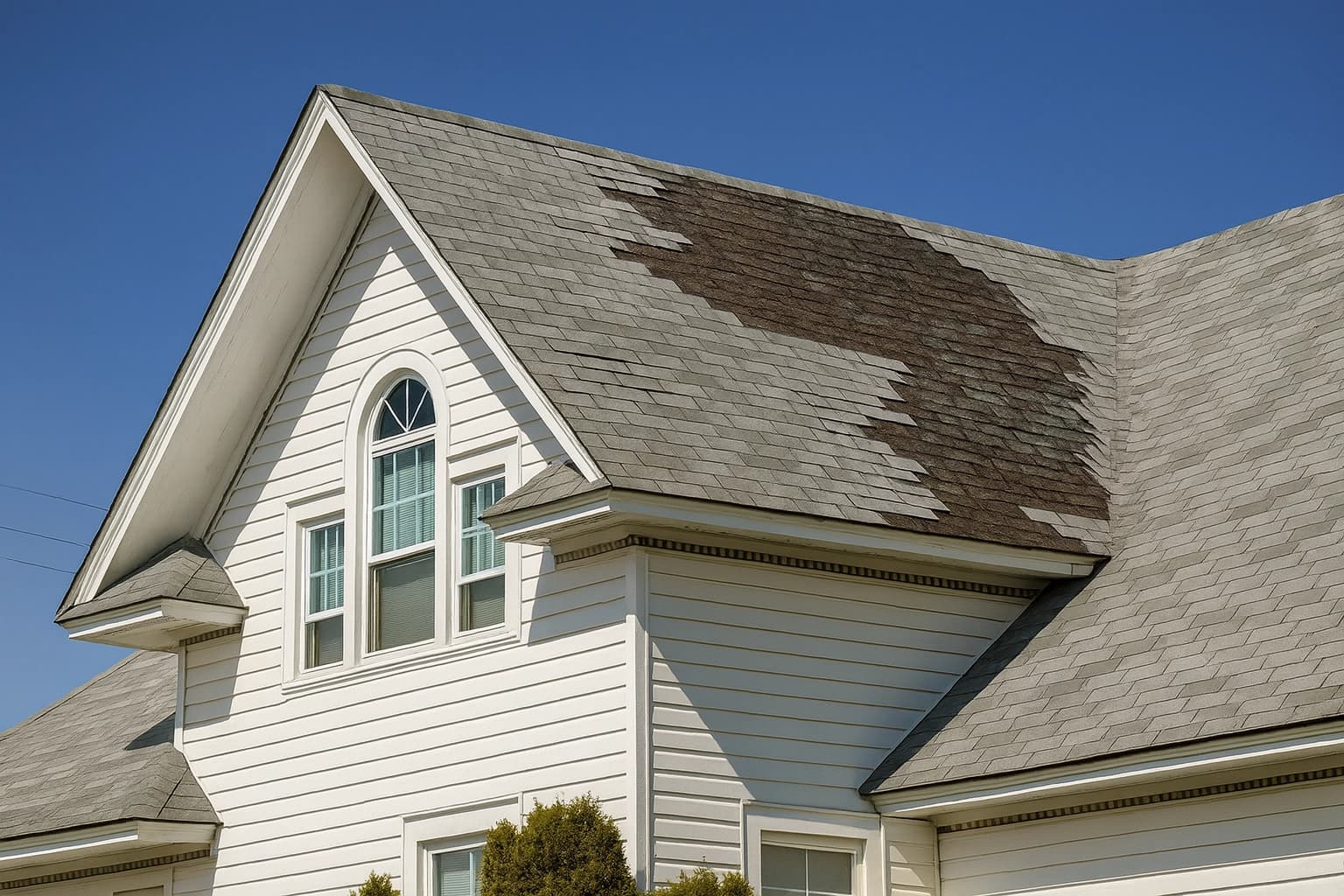
- Dark spots where granules are missing
- Flashing that looks lifted or rusted
- Sagging areas
- Gutter problems
If you see anything concerning, call for a professional inspection. Catching issues early is the single best way to extend roof life.
Keep Gutters Clean
Clean gutters twice a year (spring and late fall) or install gutter guards. Water management at the roof edge directly affects roof longevity. For more on this, see our gutter guide.
Maintain Attic Ventilation
Make sure soffit vents aren't blocked by insulation, paint, or debris. Ensure ridge or roof vents are clear and functional. If you're not sure about your ventilation, any roofing contractor can assess it during a routine inspection.
Address Repairs Promptly
Don't wait on small issues. A missing shingle is a $100–$200 fix. The water damage it causes if left for a year is thousands. We offer roof repairs for exactly these situations.
Trim Overhanging Trees
Keep branches at least 6–10 feet from the roof. This reduces granule loss from scraping, limits debris accumulation, and reduces shade that promotes moss growth.
Check After Every Major Storm
After any significant wind, hail, or ice event, do a quick visual check from the ground. Look for missing shingles, damaged flashing, or debris on the roof. If your neighbors are filing claims, you should have your roof inspected too — storm damage isn't always visible from below.
When Is It Time to Replace Instead of Repair?
Here's the general framework we use:
| Situation | Recommendation |
|---|---|
| Age 0–10 years, minor damage | Repair |
| Age 10–20 years, localized damage | Repair, but start planning for replacement |
| Age 15–20 years, widespread issues | Replace — repairs at this point are diminishing returns |
| Age 20+ years, any significant damage | Replace — the material is near end of life |
| Any age, major storm damage | File an insurance claim — likely covered |
The tipping point is when you're putting $1,000+ into repairs on a roof that's within 5 years of needing replacement anyway. At that point, the repair money is better spent toward a new roof. We break this decision down further in our guide on roof repair vs. replacement.
What About "Lifetime" Shingle Warranties?
A quick reality check on shingle warranties:
- "Lifetime" typically means the expected service life of the shingle, which manufacturers generally define as 30–50 years depending on the product line.
- Most warranties are prorated after a certain period — meaning coverage decreases as the roof ages.
- Workmanship isn't covered — the manufacturer's warranty only covers material defects, not installation issues.
- Ventilation requirements must be met — if your attic ventilation doesn't meet the manufacturer's specs, the warranty is void.
- Transferability varies — some warranties transfer to new owners (often with reduced terms), others don't.
The manufacturer warranty is nice to have, but it's not a guarantee your roof will last that long. Installation quality and maintenance are far more important than the warranty document.
Roof Lifespan by Material: Detailed Breakdown
Architectural Asphalt Shingles (20–28 Years in Indiana)
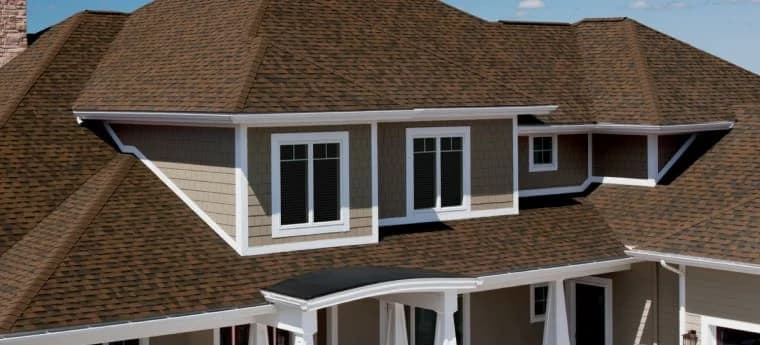
This is what's on about 80% of Fort Wayne homes. Modern architectural shingles (Owens Corning Duration, GAF Timberline, Malarkey Vista) are a huge improvement over the old 3-tab shingles — thicker, more wind-resistant, better-looking, and longer-lasting. They're the best value for most homeowners and the material we install most often. For pricing details, see our roof replacement cost guide.
Metal Roofing (40–60+ Years in Indiana)
Metal is the longevity champion. Standing seam metal roofs can last 50–60+ years in Indiana with virtually no maintenance. They handle hail, wind, and freeze-thaw better than any other residential roofing material. The tradeoff is cost — roughly 2x the price of architectural shingles. For a full comparison, see Metal Roof vs. Shingles.
Flat Roofing / TPO / EPDM (15–25 Years in Indiana)
Flat and low-slope roofs use membrane systems (TPO, EPDM, or modified bitumen). These have shorter lifespans than pitched roof materials because water sits on them rather than running off. They require more frequent inspection and maintenance. Standing water, debris accumulation, and UV degradation are the primary failure modes.
Common Questions
How can I tell how old my roof is?
Check your home inspection report (if you bought the home), ask previous owners, or look at the building permit history through Allen County. Your contractor can also estimate age based on the shingle condition and the product installed. We can usually identify the approximate age during a free inspection.
Is a 20-year-old roof too old to insure?
Some insurance companies won't write new policies on roofs over 20 years old, or they'll only provide ACV (actual cash value) coverage instead of replacement cost. If your roof is approaching 20 years, it's worth checking with your agent before renewal. A new roof can actually lower your insurance premiums.
Can I put new shingles over my old ones?
Indiana building code allows a maximum of two layers. If you have one layer, you can technically go over it. However, we always recommend a full tear-down to the deck. Layering adds weight, hides underlying damage, doesn't last as long, and makes the next replacement more expensive. It's a shortcut that costs you in the long run.
How much does a new roof cost in Fort Wayne?
A full roof replacement with architectural shingles on a typical Fort Wayne home costs $10,000–$18,000. Metal roofing runs $16,000–$32,000+. Storm damage is often covered by insurance. See our complete roof replacement cost breakdown for detailed pricing.
Does a new roof increase home value?
A new roof typically recoups 60–70% of its cost at resale and is one of the most impactful exterior upgrades for curb appeal. More importantly, an aging roof is a major red flag for buyers — it often kills deals or triggers steep price negotiations. A new roof removes that obstacle entirely.
Get Your Roof Inspected for Free
Not sure where your roof stands? We'll come take a look. Our free inspection covers shingle condition, flashing, ventilation, gutters, and fascia/soffit — the whole system.
At HomeAid Exteriors, we've been Fort Wayne's roofing contractor since 2013. We'll give you an honest assessment of your roof's remaining life and what your options are — no pressure, no scare tactics.
The inspection is free. Let's find out how much life your roof has left.
Fort Wayne Roofing & Roof Replacement
Architectural shingles, metal, and flat roofing installed by a local crew — with a 15-year workmanship warranty. Free inspections across northeast Indiana.
Get a Free Roof Inspection
Not sure how much life your roof has left? We'll assess shingle condition, flashing, and ventilation and give you an honest answer. Call (260) 385-6968.