Metal Roof vs. Shingles in Fort Wayne
For most Fort Wayne homeowners, architectural asphalt shingles are the best balance of cost and performance. But if you plan to stay long-term and want maximum durability against Indiana storms, a metal roof pays for itself over time. The right choice depends on your budget, timeline, and tolerance for hail season.
We install both — a lot of both — across northeast Indiana, and here's our honest breakdown. No upselling, no talking you out of the option that might actually be right for you. Just the facts, the costs, and what we've seen work on Fort Wayne homes.
Metal Roof vs. Shingles: The Quick Comparison
| Asphalt Shingles | Metal Roofing | |
|---|---|---|
| Upfront Cost | $5 – $7.50 per sq ft installed | $8 – $14 per sq ft installed |
| Lifespan | 25 – 30+ years | 40 – 70+ years |
| Wind Resistance | Up to 130 mph (architectural) | Up to 140+ mph |
| Hail Resistance | Moderate — granule loss, bruising | High — dents but rarely breaches |
| Maintenance | Low | Very low |
| Look | Classic, wide color/style range | Modern, clean lines |
| Best For | Most homeowners, best value | Long-term stay, maximum durability |
Both are good roofs. The question is which one is good for you.
Asphalt Shingles: The Standard for a Reason
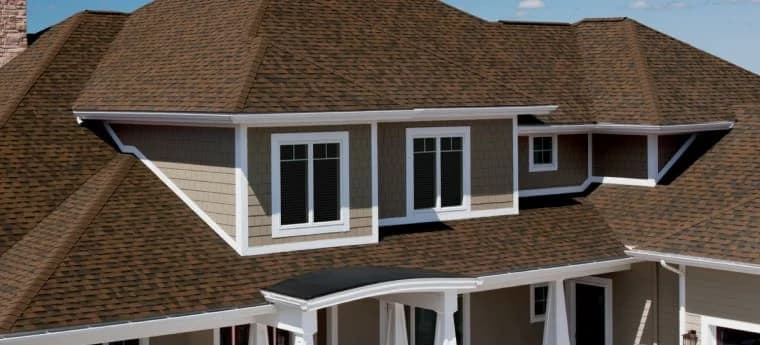
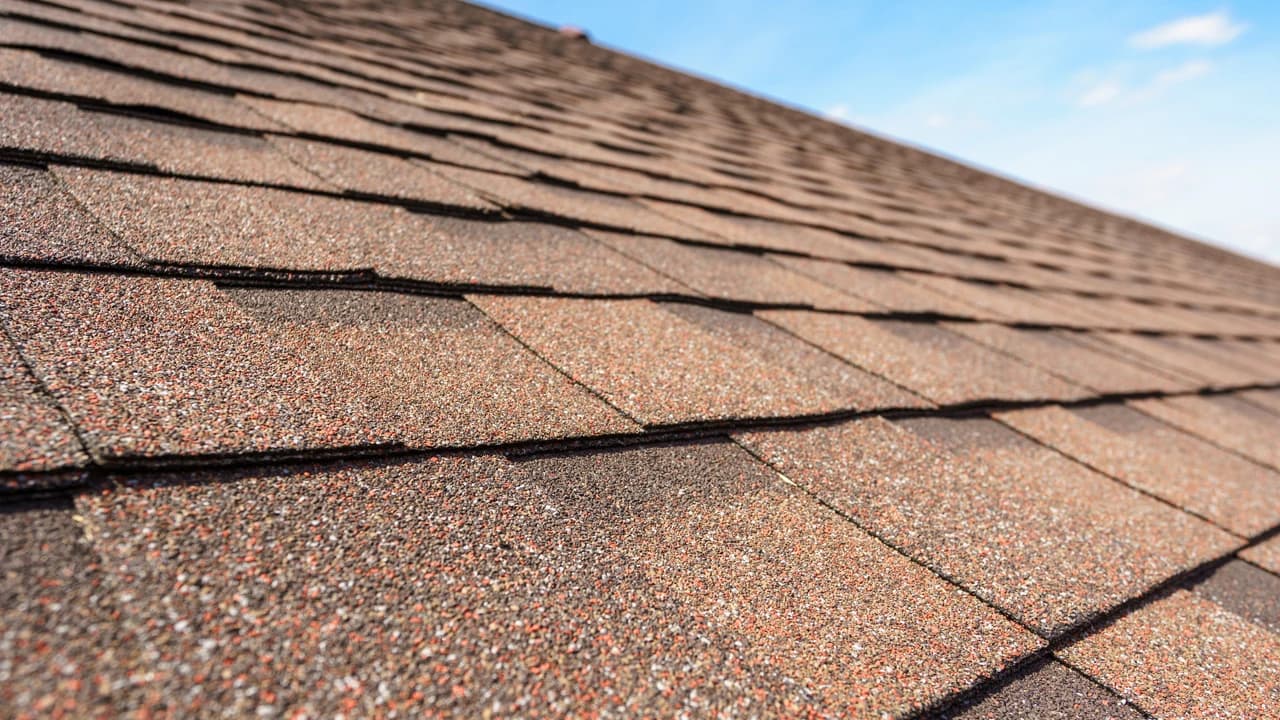
Architectural shingles (also called dimensional shingles) are what we put on the majority of roofs in Fort Wayne. They've been the standard for decades because they offer a great balance of cost, performance, and appearance.
Why Most Homeowners Choose Shingles
- Lower upfront cost. For a typical Fort Wayne home, shingles can cost $8,000 to $18,000 less than metal. That's a significant difference.
- Great performance for the price. Modern architectural shingles are a big step up from the old 3-tab style. They're thicker, more wind-resistant, and last considerably longer.
- Huge range of colors and styles. You can match practically any home style, from traditional to modern. Want the look of slate or cedar shake without the cost? There's a shingle for that.
- 25–30+ year lifespan. That's a solid run, especially considering the price point. Many homeowners will only need one or two roofs in their lifetime.
- Easy to repair. If a branch falls on your roof or a section gets damaged in a storm, shingle repairs are straightforward and affordable.
Where Shingles Fall Short
- Shorter lifespan than metal. You'll probably replace a shingle roof at least once during the time a metal roof would still be going strong.
- Hail damage. This is the big one for Indiana. Hail bruises shingles, knocks off granules, and shortens their life. After a bad storm, you might need a full replacement.
- Heat absorption. Dark shingles absorb heat, which can drive up cooling costs in summer and cook the shingles themselves from above while attic heat works on them from below.
What Brands Do We Use?
For asphalt shingles, we commonly install:
- Owens Corning — specifically the Duration series. It's our go-to for most jobs. Solid warranty, excellent performance, and they've held up really well on the homes we've done around Fort Wayne.
- Malarkey Roofing Products — their Highlander, Vista, and Legacy lines. Great products with strong performance in our climate.
We choose the specific product based on the project, budget, and what performance characteristics matter most to the homeowner.
Metal Roofing: The Long Game
Metal roofing has come a long way from the corrugated barn panels most people picture. Modern residential metal roofs are sleek, quiet (yes, really), and built to outlast pretty much everything else on your house.
Why Some Homeowners Go Metal
- Lifespan. This is the headline: 40–70+ years. If you're 40 and you put a metal roof on your house, there's a real chance you'll never think about your roof again.
- Storm performance. Metal roofs handle high winds and hail significantly better than shingles. They shed hail more effectively and don't suffer from granule loss. We've seen situations where severe wind or hail damaged nearby asphalt roofs while properly installed metal roofs had little to no damage.
- Energy efficiency. Metal reflects heat instead of absorbing it. That can make a real difference on your summer cooling bills.
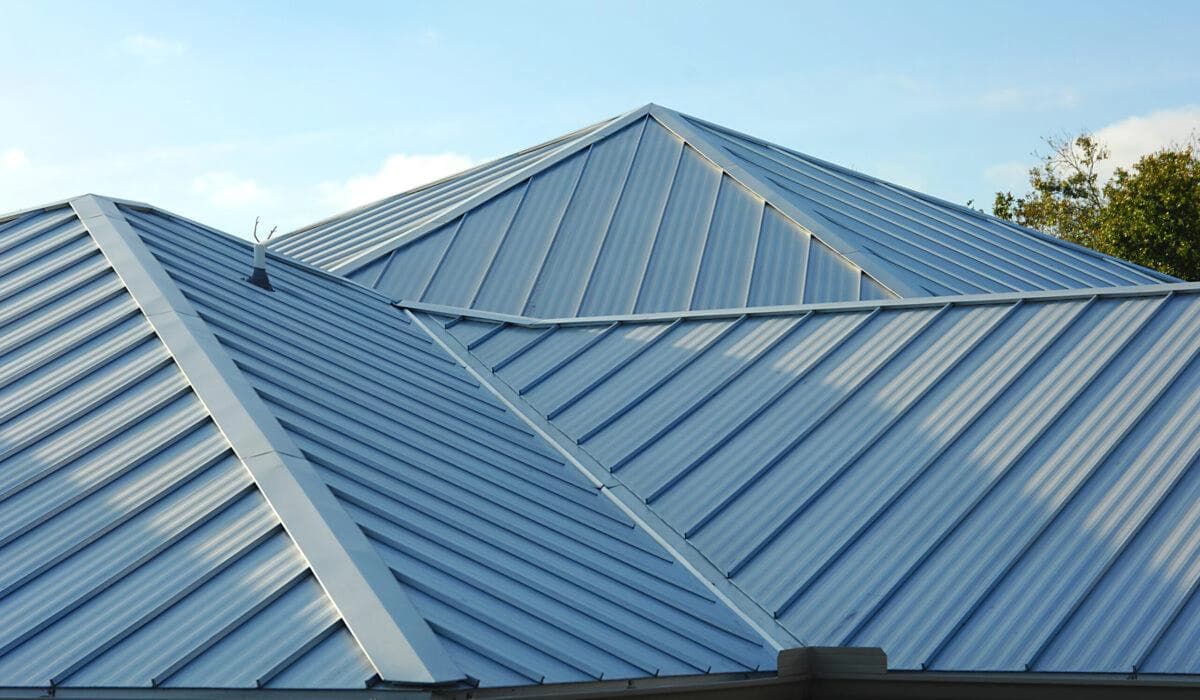
- Modern appearance. Standing seam metal gives a home clean, sharp lines. It's a look that works especially well on contemporary and farmhouse-style homes.
- Minimal maintenance. No granules to lose, no curling, no moss growth. An occasional visual check is about all it needs.
Where Metal Has Drawbacks
- Upfront cost. There's no sugarcoating it — metal costs roughly 1.5 to 2 times what shingles cost. For many homeowners, that's the deciding factor.
- Denting. Large hail can dent metal panels. It typically doesn't compromise the roof's function, but the cosmetic dents bother some people.
- Fewer contractors. Not every roofer installs metal properly. It requires specific training and equipment. You want a crew that does it regularly, not one that's figuring it out on your house.
- Noise (sort of). People worry about rain noise. With proper underlayment and attic insulation — which any good install includes — it's really not an issue. But on an older home with minimal insulation, you might notice it.
What Systems Do We Install?
For metal roofing, we typically install:
- Standing seam — the premium option. Concealed fasteners mean no exposed screws to worry about, and it has the cleanest look.
- Exposed fastener systems — more cost-effective than standing seam while still delivering the longevity and storm resistance of metal.
We source our metal from trusted regional roll-form and supply partners, with manufacturer-approved coatings and warranties on every system.
How They Each Handle Fort Wayne Weather
Indiana weather is tough on roofs because we get the full spectrum — hot summers, freezing winters, high humidity, and hail that can show up any month from March through September.
Hail
This is where the difference is most dramatic.
Shingles take the worst of it. Hail knocks off the protective granules on the surface. Even if the shingles don't crack, that granule loss shortens the roof's life significantly. After a major hailstorm, we often end up doing full replacements on shingle roofs that were otherwise in decent shape.
Metal handles hail much better. Standing seam panels can take significant impacts without breaching. Large hail may leave cosmetic dents, but the roof continues to function perfectly. We've seen storms that wrecked shingle roofs nearby while properly installed metal roofs came through with little to no damage.
Wind
Architectural shingles are rated for up to 130 mph, which covers most of what Indiana throws at us. But in extreme wind events, shingles can lift, tear, or blow off entirely — especially along edges and ridges.
Metal roofing — especially standing seam — is designed to withstand high winds. The interlocking panel design means there are fewer vulnerable points where wind can get underneath.
Freeze-Thaw
Both materials handle freeze-thaw reasonably well when properly installed. The key difference is that metal sheds snow and ice more readily, which reduces the chance of ice dams forming along the eaves. Shingle roofs are more susceptible to ice damming, especially on homes with less attic insulation.
Humidity and Heat
Indiana summers are humid, and that humidity promotes algae growth on shingle roofs — those dark streaks you see on a lot of houses. It's mostly cosmetic but can shorten shingle life over time.
Metal doesn't have this problem. It doesn't support algae growth and actually reflects heat rather than absorbing it.
What Does It Actually Cost in Fort Wayne?
Here's what a full roof replacement typically looks like for an average Fort Wayne home (1,500 – 2,000 sq ft roof):
| Material | Estimated Total Cost |
|---|---|
| Architectural Shingles (Owens Corning Duration or Malarkey) | $10,000 – $18,000 |
| Metal — Exposed Fastener | $16,000 – $24,000 |
| Metal — Standing Seam | $20,000 – $32,000+ |
These include everything — materials, tear-off, labor, flashing, ventilation, and cleanup. For a full breakdown of what drives the price up or down, see our roof replacement cost guide for Fort Wayne.
The Lifetime Cost Argument
This is where metal starts to make more financial sense than the sticker price suggests. Let's say you're 35 and you plan to stay in your home:
- Shingle route: One roof now ($14,000) + another in 25 years ($14,000+, adjusted for inflation) = $28,000+ and two major disruptions
- Metal route: One roof now ($24,000) that lasts 50+ years = $24,000 total and you're done
That math doesn't work for everyone — if you're selling in five years, shingles are the obvious play. But for long-term homeowners, metal can actually be the cheaper option over time.
Does Insurance Cover the Replacement?
If your roof was damaged by a storm — hail, wind, fallen trees — there's a good chance your homeowners insurance will cover it, regardless of whether you're replacing with shingles or metal.
Here's the thing: insurance typically pays to replace with "like kind and quality." So if you had shingles, they'll cover shingles. If you want to upgrade to metal, you'd pay the difference out of pocket. But since insurance is already covering the tear-off, labor, and base material cost, the upgrade gap can be a lot more manageable than paying for a full metal roof from scratch.
We handle insurance claims all the time. We'll inspect the damage, meet with your adjuster, and make sure nothing gets missed.
Storm Damage & Insurance Claims
Free damage inspections, adjuster meetings, and all the paperwork handled. We've been through this process hundreds of times.
Which Roof Should You Choose?
Go with architectural shingles if:
- Budget is a primary concern
- You want a wide range of color and style options
- You might sell within the next 10–15 years
- You want a proven, familiar product
Go with metal roofing if:
- You plan to stay in the home long-term (15+ years)
- You're tired of dealing with storm damage and insurance claims
- Energy efficiency is important to you
- You want a modern, distinctive look
- You're doing an insurance replacement and want to upgrade
Still on the fence? That's normal. Most people go back and forth a few times before deciding. The best thing you can do is have someone look at your specific roof, talk through the options, and give you real numbers for both.
Common Questions We Get
Is a metal roof louder in the rain?
With modern underlayment and standard attic insulation, no. We wouldn't put something on a house that would drive the homeowner crazy every time it rained. On older homes with minimal insulation, there can be a slight difference, but it's not what people imagine.
Will a metal roof attract lightning?
No. Metal roofing doesn't increase the chance of a lightning strike. And if lightning did hit, metal is actually safer because it's non-combustible — it won't catch fire.
Can I put metal over my existing shingles?
Technically possible in some situations, but we don't recommend it. A proper tear-off lets us inspect and repair the decking underneath, which is especially important in Indiana where freeze-thaw damage can compromise the wood over the years.
Do metal roofs rust?
Modern metal roofing panels have manufacturer-approved coatings designed to prevent corrosion for decades. The painted finishes we install come with long-term warranties against fading, chalking, and corrosion.
Let's Talk About Your Roof
Every roof is different — size, pitch, complexity, current condition — and the only way to give you a real number is to come look at it. We'll inspect what you've got, talk through both options, and give you honest pricing for each. No pressure to go one way or the other.
At HomeAid Exteriors, we help homeowners in the Fort Wayne area choose the right materials based on their budget, long-term goals, and the demands of Indiana's climate. We've been Fort Wayne's roofing contractor for over a decade, with numerous happy customers and a 15-year workmanship warranty on every full replacement.
The inspection is always free. Let's figure out what makes sense for your home.
Thinking about your siding too? Check out our comparison: Vinyl vs. Fiber Cement Siding: Which Is Better for Fort Wayne Homes?