7 Warning Signs You Need a New Roof
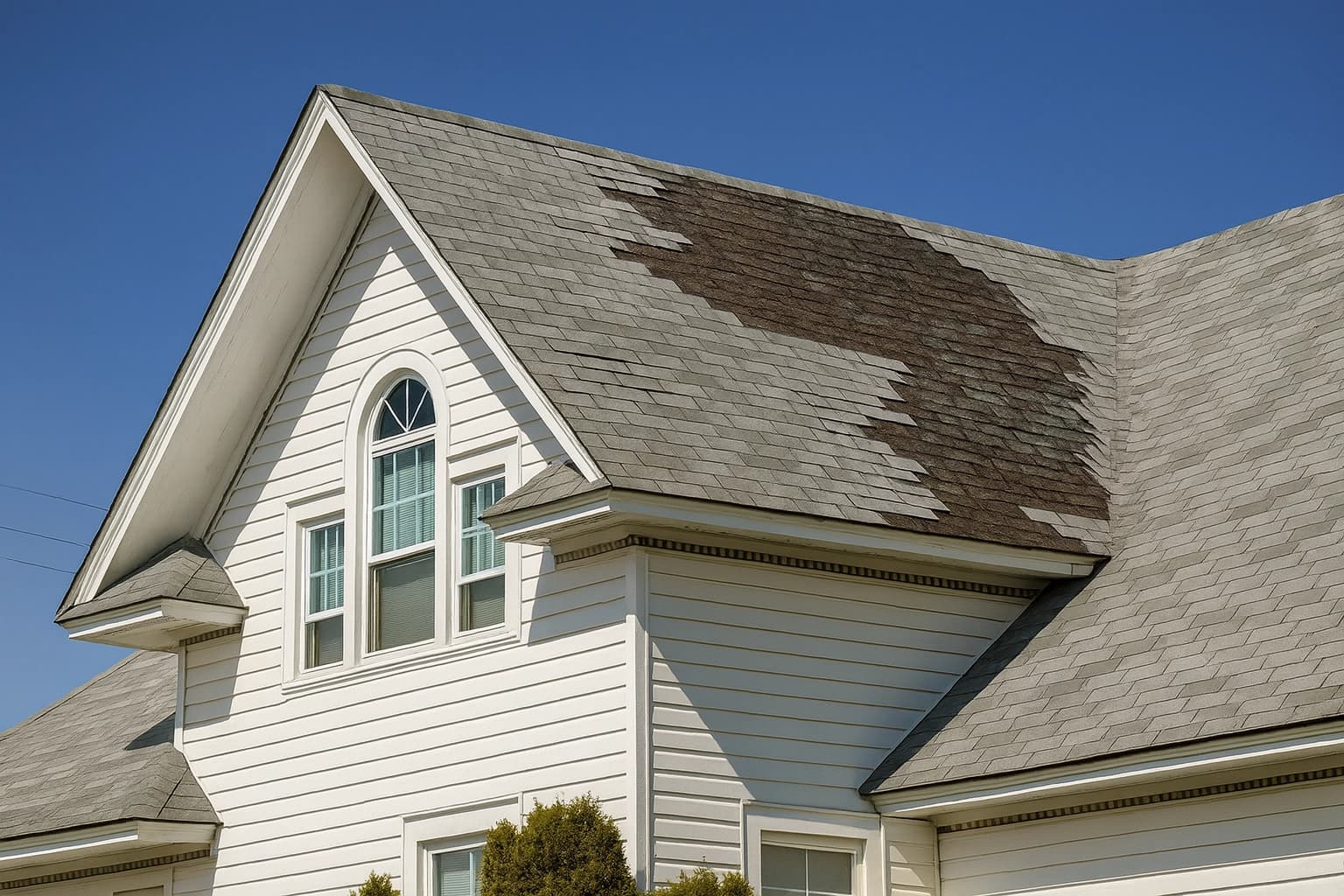
Most roof failures don't happen overnight. They build up slowly — a few curled shingles here, some granules in the gutter there — and by the time the leak shows up on your ceiling, the damage underneath has been spreading for months. The homeowners who avoid expensive surprises are the ones who learn to spot the early warning signs.
Here are the seven we see most often on Fort Wayne homes, in roughly the order they tend to appear.
1. Your Roof Is Approaching 20+ Years Old
Asphalt shingle roofs in Indiana typically last 18–25 years. Architectural (dimensional) shingles can stretch closer to 30 if they were installed properly and have been maintained. If you don't know how old your roof is, check your closing paperwork or ask a previous owner — and if it's a mystery, that itself is usually a sign it's older than you think.
Age alone doesn't mean you need a roof tomorrow. But once you cross the 15-year mark, you should be getting annual inspections so you can catch problems before they turn into leaks. We cover material-by-material lifespans in detail in our guide on how long a roof lasts in Indiana.
When to act: If your roof is over 20 years old AND you're seeing any of the signs below, plan for replacement. Don't wait for a leak to force the decision in February.
2. Curling, Cupping, or Buckling Shingles
Healthy shingles lie flat against the roof. As asphalt shingles age, they start to:
- Curl at the corners or edges (the edges lift up like the corners of an old library book)
- Cup in the middle (the shingle bowls inward, holding water)
- Buckle in waves across the roof (often a sign of poor ventilation or a moisture issue beneath the shingles)
Once shingles start curling, they can't shed water properly. Wind gets underneath them. The next storm peels them right off, and now you've got exposed underlayment and a leak waiting to happen.
You can usually spot curling from the ground with binoculars, especially on south- and west-facing slopes that take the most sun and weather.
When to act: A few curled shingles can be replaced. Widespread curling across one or more slopes means the asphalt is shot and full replacement is the right call.
3. Missing, Cracked, or Broken Shingles
After every windstorm in Fort Wayne, we get calls about missing shingles. Sometimes one or two are gone. Sometimes whole sections.
Missing shingles are easy to see — there's a dark patch where shingles should be. Cracked shingles are subtler; you might see hairline splits running across a shingle, often after a hailstorm or freeze-thaw cycle.
The danger isn't the missing shingle itself — it's everything that follows:
- Water gets under the surrounding shingles and into the underlayment
- The exposed area weakens the seal on adjacent shingles
- The next wind event takes more of them
If you've had a recent storm, walk your yard for shingle debris. Then check for damage from the ground. We covered the full inspection process in our wind storm damage guide.
When to act: Isolated missing shingles on a younger roof? Repair. Multiple missing shingles, or damage across several areas of an older roof? It's replacement time — and likely an insurance claim.
4. Excessive Granule Loss — The One Most Homeowners Miss
This is the warning sign that gets ignored more than any other, because it doesn't look like damage. There's no missing shingle. No leak. No visible cracking.
But the gritty black sand collecting in your gutters and at the base of your downspouts? That's the protective surface coming off your shingles.
What granules do: Asphalt shingles are covered in a layer of crushed mineral granules. They protect the asphalt underneath from UV damage and give the shingle its weight, color, and fire resistance. Once the granules are gone, the asphalt underneath is exposed to direct sunlight and starts breaking down quickly.
How to spot it:
- Check your gutters. A little granule loss is normal, especially in the first year after installation. But if you're scooping up significant amounts of granules every time you clean your gutters, your shingles are wearing out.
- Look at the roof itself. Bald patches — areas where the shingle looks darker or shinier than the rest of the roof — are spots where the granules have washed away.
- Look at your downspout splash zones. If there's a dark, sandy buildup at the base of your downspouts on the concrete or driveway, that's granule loss.
Once granule loss is widespread, you're on the back end of your roof's lifespan. The shingles will continue to degrade quickly from here.
When to act: Light granule loss on a 5–10 year old roof is normal. Heavy granule loss, bald patches visible on the roof, or piles of granules at the downspouts on a 15+ year old roof = start planning for replacement.
5. Sagging Roof Deck or Visible Dips
Look at your roof from across the street. Is the ridgeline perfectly straight? Are the slopes flat and even, or are there dips, waves, or sagging sections?
Sagging is a structural problem, not just a shingle problem. It usually means:
- The roof decking (the plywood or OSB under your shingles) is rotting from prolonged moisture exposure
- Rafters or trusses underneath have been compromised
- There's an active or long-standing leak you haven't seen yet
A sagging roof is one of the more serious findings during an inspection. Left alone, it can collapse — especially under the weight of wet snow.
When to act: Immediately. A sagging roof isn't a wait-and-see problem. Get it inspected as soon as you spot it.
6. Daylight or Water Stains in Your Attic
The attic is where you find the damage before it reaches your ceilings. If you can get up there safely, take a flashlight (and turn it off once you're inside).
What to look for:
- Daylight coming through the roof deck. Even small pinpoints of light mean there are holes letting in moisture.
- Water staining on the underside of the roof deck. Dark or rusty discoloration on the plywood means water has been coming in, even if it's dry right now.
- Wet or compressed insulation. Roof leaks soak insulation, ruining its R-value and creating mold conditions.
- Mold or mildew smells. A musty attic almost always means moisture is getting in somewhere.
- Rust around nail heads. Rust means condensation has been forming on the nails — usually a ventilation problem, but a sign the attic's moisture levels are too high.
Ceiling stains inside your living space are the very last stage of this problem. By the time you see brown rings on your bedroom ceiling, water has been moving through your insulation and decking for a while.
When to act: Any active leak signs in the attic mean it's time for a professional inspection. Whether it's a repair or a replacement depends on how widespread the damage is.
7. Moss, Algae, or Plant Growth on the Roof
Black streaks running down your shingles, green moss filling the gaps between them, lichen forming colored spots — none of these are just cosmetic.
- Algae (the black streaks): Common on north-facing slopes that stay damp. The algae itself doesn't damage shingles, but it traps moisture against them, accelerating wear.
- Moss: This is the bigger problem. Moss roots get under the edges of shingles, lifting them and trapping water. Once water sits against and under the shingles, the decking below starts rotting.
- Lichen: Slow-growing but very damaging. Lichen actually feeds on the limestone in the shingle granules, eating away at the protective coating.
Indiana's humidity and Fort Wayne's mature tree canopy make moss and algae especially common here, particularly on shaded slopes.
When to act: Light algae streaks on a younger roof can be cleaned (gently — never pressure wash a roof). Heavy moss with lifted shingles usually means the damage underneath has already happened. Have it inspected.
Fort Wayne Roof Replacement & Repair
Free inspections, honest assessments, and quality installs. We've been replacing roofs across Fort Wayne and northeast Indiana since 2013.
Should You Repair or Replace?
We get this question on almost every roof inspection. Here's how we think about it:
Repair if:
- The roof is under 15 years old
- The damage is isolated to one area
- Only a few shingles are affected
- The underlying decking is still solid
- You're seeing one of the signs above, not multiple
Replace if:
- The roof is 18+ years old and showing wear
- You're seeing 3 or more signs from the list above
- Damage is spread across multiple slopes
- Granule loss is widespread
- There's any structural sagging
- You've patched the same area twice already
- The cost of repairs is approaching 25% of the replacement cost
Replacement isn't always urgent. Sometimes the right call is to repair now and plan the replacement for next spring. A good contractor will tell you honestly which one you need. If they push you toward replacement when a repair would do, get a second opinion. For a deeper breakdown of how to make the call, see our guide on roof repair vs. replacement.
What Happens During a Free Inspection?
Here's what to expect when we come out to look at your roof:
- Ground assessment. We walk the property looking for shingle debris, granule accumulation, gutter issues, and any damage visible from below.
- Roof inspection. We safely access the roof and check every slope — looking at shingle condition, flashing around penetrations, ridge caps, valleys, and edge details.
- Attic check. When possible, we look in the attic for signs of moisture, ventilation problems, and any active leaks.
- Photo documentation. Every finding gets photographed so you can see what we see — and so you have records if you need to file an insurance claim.
- Honest recommendation. We tell you what we found, what's urgent, what can wait, and what your options are. No high-pressure sales.
The inspection is free. The estimate is free. Walk-aways are welcome.
Common Questions
How much will a new roof cost in Fort Wayne?
Most Fort Wayne homeowners spend between $8,000 and $20,000 on a full roof replacement, depending on size, material, and complexity. We break the numbers down in detail in our roof replacement cost guide for Fort Wayne.
How long does a roof replacement take?
Most residential roof replacements take 1–2 days. Larger homes, complex rooflines, or jobs that involve decking repairs can take 3 days. We work efficiently, clean up daily, and keep your property protected throughout.
Will my insurance cover the replacement?
It depends on what caused the damage. Storm damage (hail, wind, fallen trees) is typically covered. Wear-and-tear and age-related deterioration are not. If you've had a major storm in the past year, file a claim before the deadline — most policies require claims within 12 months of the damage event.
Can I just keep patching it?
Sometimes — for a while. But patching a roof that's past its useful life is throwing money at a problem that's going to keep coming back. If you've already had two or three repairs in the same general area, or if the patches don't match the rest of the roof anymore, it's usually time to plan the replacement.
What if I can't afford a full replacement right now?
Financing is available, and we can help you find a payment plan that works. For homeowners with a current leak who need to wait on full replacement, we can sometimes do a targeted repair to buy you time. Talk to us — we'll find a path forward.
Does a new roof actually add home value?
Yes. A new roof is one of the top items on every home inspector's list, and a worn-out roof is one of the most common deal-breakers in home sales. A recent replacement is also a strong selling point — buyers know they won't be dealing with a roof project anytime soon.
Get an Honest Look at Your Roof
If even one of these signs sounds familiar, it's worth getting a professional opinion. We're not here to sell you a roof you don't need — half the inspections we do end with "you've got a few years left, let's check it again next spring."
At HomeAid Exteriors, we've been replacing and repairing roofs across Fort Wayne and northeast Indiana since 2013. We'll look at your roof, document any issues, and give you a straight answer on where you stand — whether that's a small repair, a plan for next year, or a replacement right now.
The inspection is free. Call (260) 385-6968 or request your free inspection online. The sooner you know, the more options you have.
Schedule Your Free Roof Inspection
30 minutes, no obligation. We'll photograph what we find and walk you through your options — repair, replacement, or come back next year.