
Best Replacement Windows for Fort Wayne Homes (2026 Guide)
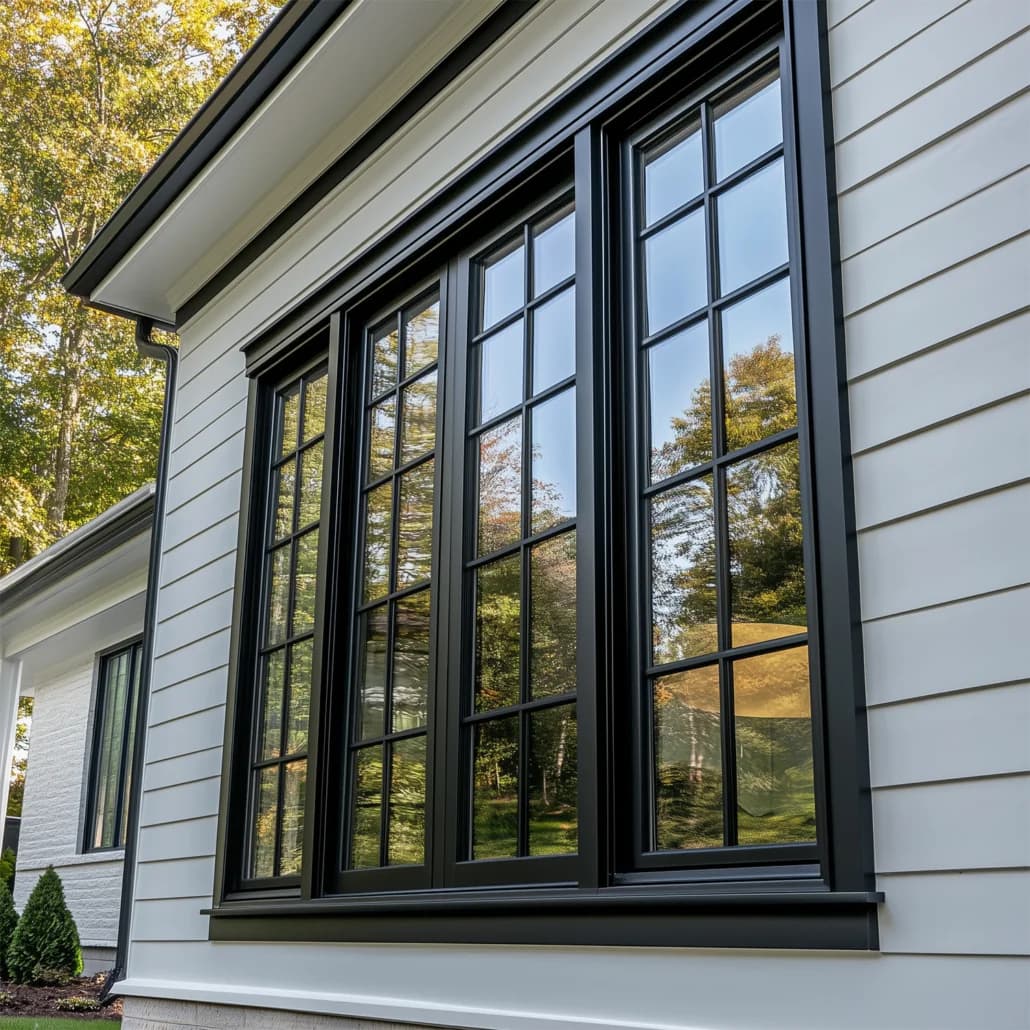
For most Fort Wayne homeowners, double-pane vinyl windows with Low-E glass are the best combination of price, energy efficiency, and durability. They run $400–$800 per window installed and cut energy loss through your windows by 25–50% compared to old single-pane units.
If your home still has the original single-pane or early double-pane windows from 20+ years ago, you're losing money every month on heating and cooling. Indiana winters don't forgive bad windows.
What Do Replacement Windows Cost in Fort Wayne?
Here's what we're seeing in 2026 for replacement windows, fully installed:
| Window Type | Cost Per Window (Installed) | Full House (15–20 Windows) |
|---|---|---|
| Vinyl Double-Pane (most popular) | $400 – $800 | $6,000 – $16,000 |
| Vinyl Triple-Pane | $600 – $1,100 | $9,000 – $22,000 |
| Fiberglass | $700 – $1,200 | $10,500 – $24,000 |
| Wood / Wood-Clad | $800 – $1,500+ | $12,000 – $30,000+ |
These prices include the window unit, installation labor, interior and exterior trim/casing, insulation around the frame, and cleanup. Old window removal is included.
Cost by Window Style
Not all windows are the same size or complexity:
| Window Style | Typical Cost (Vinyl, Installed) |
|---|---|
| Double-hung (most common) | $400 – $800 |
| Casement (crank-out) | $450 – $900 |
| Sliding | $350 – $750 |
| Picture / Fixed | $300 – $700 |
| Bay / Bow | $1,500 – $4,000+ |
| Egress (basement) | $2,000 – $5,000+ (includes well) |
Bay and bow windows cost more because of the structural framing involved. Egress windows are a bigger project that includes cutting into the foundation wall and installing a window well — but they're required by code if you're finishing a basement bedroom.
Which Window Material Is Best for Fort Wayne?
Vinyl Windows — Best Value for Most Homeowners
Vinyl is what we install on 80%+ of our jobs, and it's not because it's the cheapest option — it's because it's the best overall value for Indiana's climate.
Why vinyl works here:
- Won't rot, warp, or swell. Unlike wood, vinyl doesn't react to moisture or humidity.
- No painting or staining. Ever. The color is integral to the material.
- Excellent insulation. Multi-chamber vinyl frames naturally insulate well, and they don't conduct heat or cold the way aluminum does.
- Affordable. You get more window for your dollar, which means you can upgrade to better glass (where the real energy savings are) without blowing the budget.
The tradeoffs:
- Limited color options compared to painted wood (though this has improved significantly)
- Can't be repainted if you change your mind on color
- Lower-end vinyl can look cheap — we use mid-to-premium grade products to avoid this
Fiberglass Windows — Premium Performance
Fiberglass is stronger and more dimensionally stable than vinyl. It expands and contracts at nearly the same rate as glass, which means tighter seals over time. It's the premium choice for homeowners who want top performance and don't mind paying more.
Best for: Homeowners who want a step up from vinyl in durability and aesthetics without going to wood.
Wood and Wood-Clad Windows — Best Aesthetics
Wood windows look the best — there's no debate. If you have a historic home or you're going for a specific interior aesthetic, wood is hard to beat. Wood-clad windows (wood interior, aluminum or fiberglass exterior cladding) give you the look inside with weather protection outside.
The reality for Indiana: Wood requires more maintenance. It needs to be painted or stained, and if moisture gets in, it rots. Wood-clad windows reduce exterior maintenance but cost more. We install them when customers specifically want the look, but for most homes, vinyl or fiberglass delivers better long-term value.
What Makes a Window Energy Efficient?
The frame material matters, but the glass is where the real performance comes from. Here's what to look for:
Double-Pane vs. Triple-Pane
| Feature | Double-Pane | Triple-Pane |
|---|---|---|
| U-Factor (lower = better) | 0.25 – 0.30 | 0.18 – 0.22 |
| Cost Premium | Standard | +30–50% |
| Best For | Most Fort Wayne homes | North-facing walls, bedrooms, high-exposure areas |
Double-pane with Low-E glass is the sweet spot for Fort Wayne. Triple-pane makes sense on north-facing walls or in rooms where comfort is critical (bedrooms, home offices), but the energy savings rarely justify going triple-pane on every window in the house.
Low-E Coating
Low-E (low emissivity) is a microscopically thin metallic coating on the glass that reflects heat. In winter, it keeps your heat inside. In summer, it reflects solar heat out. It's essentially invisible and comes standard on any quality replacement window.
Low-E 366 (or equivalent) is the current standard — it blocks heat transfer while still letting in plenty of natural light. Don't buy windows without it.
Argon Gas Fill
The space between the panes is filled with argon gas instead of air. Argon is denser than air and conducts less heat, improving the window's insulating value by about 10–15%. It's standard on most quality double and triple-pane windows and doesn't add much to the cost.
Spacer Systems
The spacer bar that separates the two panes of glass matters more than people realize. Aluminum spacers (the old standard) conduct cold and create condensation at the edges. Warm-edge spacers (foam or stainless steel) reduce this thermal bridging and prevent that annoying condensation ring you see on cheaper windows in winter.
How Do Indiana Winters Affect Your Windows?
Fort Wayne's climate is hard on windows. Here's what's happening:
Freeze-Thaw Cycles
Windows expand and contract with temperature changes. Cheap windows with rigid frames and poor seals develop gaps over time, letting air infiltrate. You feel it as cold drafts near the window — even when it's closed. Quality vinyl and fiberglass frames flex with temperature changes without losing their seal.
Condensation and Moisture
When warm indoor air hits a cold window surface, you get condensation. On single-pane windows, this happens constantly in winter. That moisture runs down into the frame and sill, causing wood rot, mold growth, and paint failure. Double-pane Low-E windows keep the interior glass surface warmer, dramatically reducing condensation.
Ice and Snow Load
Windows on the ground floor can take hits from ice falling off the roof or snow buildup against the sill. Proper flashing and drip caps during installation keep water from infiltrating around the frame. This is an installation detail, not a product feature — which is why who installs your windows matters as much as what you buy.
Wind Infiltration
Older windows are the #1 source of air leaks in most Fort Wayne homes. You can feel it — hold your hand near an old window on a windy winter day and you'll feel cold air pushing through. New windows with multi-point locks and compression weatherstripping eliminate this.
Signs You Need New Windows
Not sure if your windows need replacing? Here are the signs we see most often:
- Drafts near closed windows — especially noticeable in winter
- Condensation between the panes — means the seal has failed and the gas fill is gone
- Difficulty opening or closing — frames have warped or settled
- Visible rot on wood frames — once rot starts, it spreads
- High energy bills — old windows can account for 25–30% of your heating and cooling costs
- Street noise — if you can hear everything outside, your windows aren't insulating sound either
- Single-pane glass — if your home still has single-pane windows, replacement is one of the best investments you can make
New Construction vs. Replacement (Insert) Windows
There are two ways to install new windows, and it matters:
Replacement (insert) windows fit inside the existing window frame. The old frame stays in place, and the new window slides in. This is faster, less invasive, and less expensive. It's the right approach when the existing frame is solid and in good condition.
New construction (full-frame) windows remove the entire window — frame and all — down to the rough opening. This is necessary when the existing frame is rotted, damaged, or you're changing the window size. It takes longer and costs more, but it gives you a completely fresh installation.
We assess every window and recommend the right approach. Sometimes a house needs full-frame on a few problem windows and inserts everywhere else.
How Much Can You Save on Energy Bills?
Real numbers for Fort Wayne homeowners replacing single-pane or early double-pane windows with modern Low-E double-pane:
| Current Windows | Estimated Annual Savings |
|---|---|
| Single-pane → Double-pane Low-E | $200 – $500/year |
| Old double-pane (no Low-E) → New Low-E | $100 – $250/year |
| Double-pane Low-E → Triple-pane | $50 – $125/year |
These are estimates based on typical Fort Wayne utility rates and home sizes. Your actual savings depend on home size, insulation, HVAC efficiency, and how many windows you replace. The jump from single-pane to modern double-pane Low-E is where the biggest savings are.
Over 10–15 years, energy savings typically recoup 15–30% of the window investment. Factor in improved comfort (no more drafts, no more cold spots near windows) and reduced HVAC wear, and the total value is even higher.
Does Insurance Cover Window Replacement?
Homeowners insurance covers window damage from covered events — storms, hail, fallen trees, break-ins. It doesn't cover wear-and-tear, failed seals, or windows that are just old.
If a storm damaged your windows along with your roof or siding, the windows are often included in the insurance claim. Our guide to wind and storm damage covers what to look for. We coordinate with adjusters regularly and know what documentation is needed.
Common Questions
How long do replacement windows last?
Quality vinyl replacement windows last 20–30 years in Indiana. Fiberglass can last 30–40+ years. Wood windows last 20–30 years with proper maintenance (painting/staining every 5–7 years). The glass sealed units typically last 15–25 years before the seals begin to fail — when you see condensation between the panes, the seal is gone.
How long does window installation take?
A full house of 15–20 replacement (insert) windows typically takes 1–2 days. Full-frame replacements take longer — plan for 2–4 days depending on the number of windows and complexity. Each individual window takes about 30–60 minutes to install properly.
Are triple-pane windows worth the extra cost in Fort Wayne?
For most Fort Wayne homes, double-pane Low-E windows are the best value. Triple-pane adds 30–50% to the cost but only improves energy performance by about 15–20% over quality double-pane. We recommend triple-pane selectively — on north-facing walls, bedrooms, or large picture windows where comfort matters most. Going triple-pane on every window in the house rarely pencils out on energy savings alone.
Do I need to replace all windows at once?
No. Many homeowners replace windows in phases — starting with the worst-performing windows (usually the oldest or most exposed), then doing the rest over time. We're happy to help you prioritize which windows will give you the biggest improvement first.
Will new windows reduce outside noise?
Significantly. Modern double-pane windows with argon gas fill reduce outside noise by 50–70% compared to single-pane. Triple-pane reduces it even further. If you live near a busy road or your neighbor's dog has opinions at 6 AM, new windows make a noticeable difference.
Get Your Free Window Estimate
Every home's windows are different — sizes, styles, conditions, and priorities. The best way to figure out what you need and what it'll cost is to have us come take a look.
At HomeAid Exteriors, we've been installing replacement windows and doors across Fort Wayne and northeast Indiana since 2013. We'll measure every opening, show you product options, and give you a clear quote — broken down by window so you can prioritize if needed.
Windows are just one part of keeping your home's exterior tight and efficient. Our home exterior maintenance checklist covers the rest — roof, siding, gutters, and more — season by season.
No pressure. No games. Just straight answers about your windows.
Fort Wayne Window & Door Replacement
Energy-efficient vinyl, fiberglass, and wood-clad windows installed by a local crew. Free estimates and honest recommendations across northeast Indiana.
Get Your Free Window Estimate
We'll measure every opening, walk you through your options, and give you a clear per-window quote — no pressure, no games. Call (260) 385-6968.